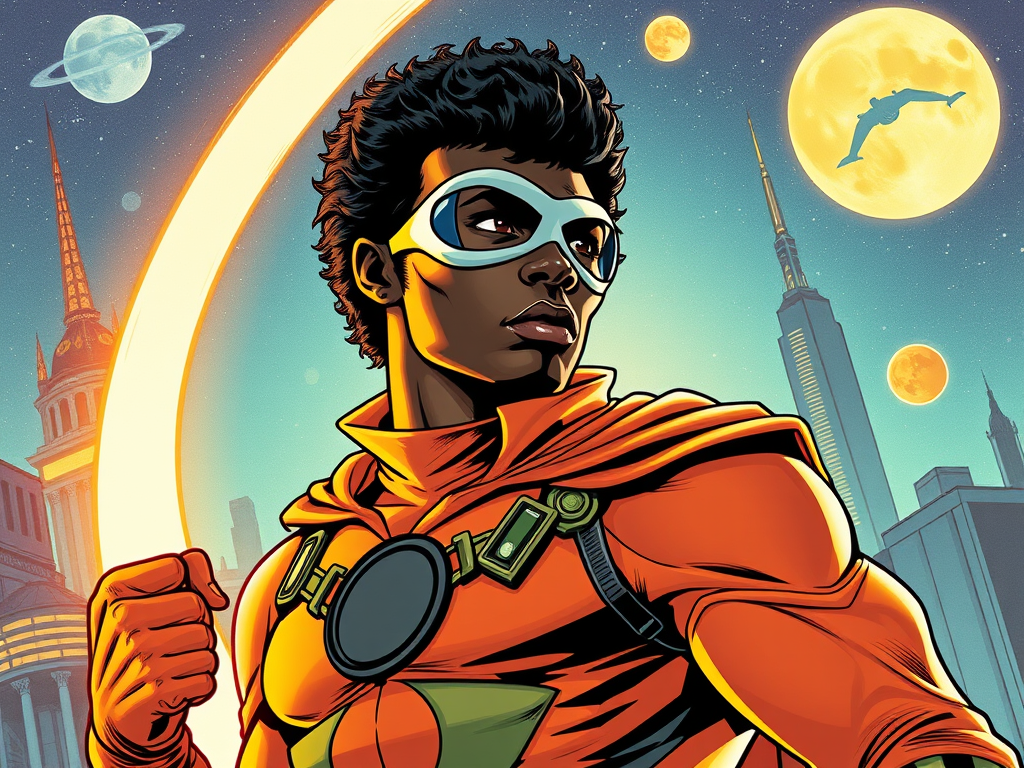
Milestones and cultural impact
The 1970s marked a significant turning point in the landscape of science fiction and comic books. This era witnessed a growing demand for representation and diversity, leading to the introduction of compelling Black characters who challenged existing stereotypes and expanded the horizons of these genres.


Key Milestones
Rise of Blaxploitation Films: The early 1970s saw the emergence of Blaxploitation films, which, while often criticized for their stereotypes, provided a platform for Black actors and filmmakers. These films influenced comic book creators to introduce more Black characters.
Black Panther’s Solo Debut (1973): Black Panther, created by Stan Lee and Jack Kirby in 1966, received his own solo series in 1973, written by Don McGregor. This was a landmark moment, making him one of the first Black superheroes to headline his own comic book.
Luke Cage, Hero for Hire (1972): Marvel introduced Luke Cage, a wrongly accused man granted superhuman strength and durability, becoming a prominent figure in the “street-level” superhero scene. He catered to a new audience and tackled social issues relevant to the Black community.
Storm’s Introduction (1975): As part of the revamped X-Men team, Storm (Ororo Munroe) emerged as a powerful mutant with control over the weather. Her complex background and immense power made her an iconic character and a positive representation of Black women in comics.
Notable Characters
Storm (Ororo Munroe): An immensely powerful mutant with the ability to control weather patterns. Storm’s regal presence and unwavering moral compass made her an inspiration to many.
Blade (Eric Brooks): A vampire hunter who debuted in The Tomb of Dracula comic series, Blade brought a darker, supernatural element to Marvel’s character roster.
Black Panther (T’Challa): The King of Wakanda, a technologically advanced African nation. Black Panther’s intelligence, combat skills, and leadership made him a central figure in the Marvel Universe.
Luke Cage: A hero embodying strength and resilience, who fought crime and injustice in Harlem. Luke Cage was often involved in stories that reflected real-world social issues.
Cultural Impact

The introduction of Black characters in science fiction and comic books during the 1970s had a profound cultural impact:
Challenging Stereotypes: These characters provided alternatives to negative stereotypes often associated with Black individuals in media.
Inspiring a New Generation: They offered positive role models for Black readers, inspiring them to see themselves as heroes and leaders.
Promoting Diversity: The inclusion of Black characters broadened the scope of science fiction and comic book narratives, making them more inclusive and representative of the real world.

Social Commentary: Many stories featuring these characters addressed social issues such as racism, poverty, and inequality, sparking important conversations and raising awareness.
Summary
The 1970s signaled a pivotal change in how Black characters were portrayed not only within the realms of science fiction but also in the vibrant world of comic books. Prior to this transformative decade, the representation of Black characters often fell into stereotypical roles that limited their depth and complexity. However, the introduction and rise of key figures such as Black Panther, Luke Cage, and Storm served as a significant turning point, compelling the industry to confront its long-standing issues regarding diversity and representation.
Black Panther, with his rich African heritage and royal status, represented a powerful departure from typical portrayals, showcasing an empowered superhero who was both a leader and a symbol of strength. Similarly, Luke Cage brought a gritty realism to the narrative landscape, embodying resilience and strength in the face of societal challenges, while also appealing to urban audiences with his narrative rooted in the realities of their experiences. Storm, one of the first major Black female superheroes, not only shattered gender norms but also provided a nuanced character who linked her powerful abilities with empathy and leadership, thus serving as a role model for both women and Black individuals alike.
These groundbreaking characters and their stories were more than just entertainment; they provided uplifting role models that resonated deeply with Black audiences. They allowed readers to see themselves reflected in the narratives and to engage with stories that validated their experiences and aspirations. This movement towards diverse representation was not merely a trend; it was a response to the growing call for authenticity and inclusivity in storytelling.
The impact of this era laid the crucial groundwork for improved inclusion and representation within the comic book industry and science fiction narratives in the years that followed. It fostered an environment where diverse voices and perspectives could flourish, paving the way for future creators to introduce a broader spectrum of characters and storylines. As a result, the representation of Black characters became both richer and more varied, contributing to the development and evolution of these genres in profound ways that would resonate for decades.
The legacy of the 1970s continues to shape how stories are told today, reminding us of the importance of recognizing and honoring the diverse experiences that contribute to the human narrative. Ultimately, the changes initiated during this pivotal time not only enriched the genres of science fiction and comic books but also reflected a broader societal shift towards inclusivity and understanding.
Leave a Reply